

From Preschool to Kindergarten
How children grow from Preschool to Kindergarten through rhythm, imaginative play, outdoor life, and a developmentally grounded early childhood experience.
From Preschool to Kindergarten, Live Oak offers a connected early childhood experience shaped by rhythm, imaginative play, artistic activity, outdoor life, and warm relationships with teachers. Kindergarten builds on that strong Preschool foundation while widening the social environment and preparing children more fully for the grades.
For many families, the question is not whether the experience changes completely, but how it deepens from Preschool to Kindergarten. The daily life of the young child remains rooted in movement, story, creativity, and nature, while Kindergarten adds new opportunities for confidence, leadership, and a more complex skill set before first grade.
Start Your Inquiry Visit & Tours Kindergarten
At a Glance
- Preschool: Ages 2 years, 9 months to 4 years, with 2-day, 3-day, or 5-day options from 8:15 AM–12:45 PM
- Kindergarten: Two-year program for ages 4 years, 9 months to 6 years
- Kindergarten schedule: 5-day program from 8:15 AM–12:45 PM
- After-school care: Available in both Preschool and Kindergarten
- Outdoor learning: Daily outdoor play in Preschool and weekly Nature Day in Kindergarten
What Stays Consistent
From Preschool to Kindergarten, children remain in an early childhood environment shaped by meaningful daily rhythm, imaginative play, artistic activity, and regular time outdoors. In Preschool, children move through circle time, artistic explorations, indoor and outdoor creative play, snack, storytime, and lunch. In Kindergarten, children continue in a warm, imaginative setting built around storytelling, practical activity, artistic work, and outdoor play.
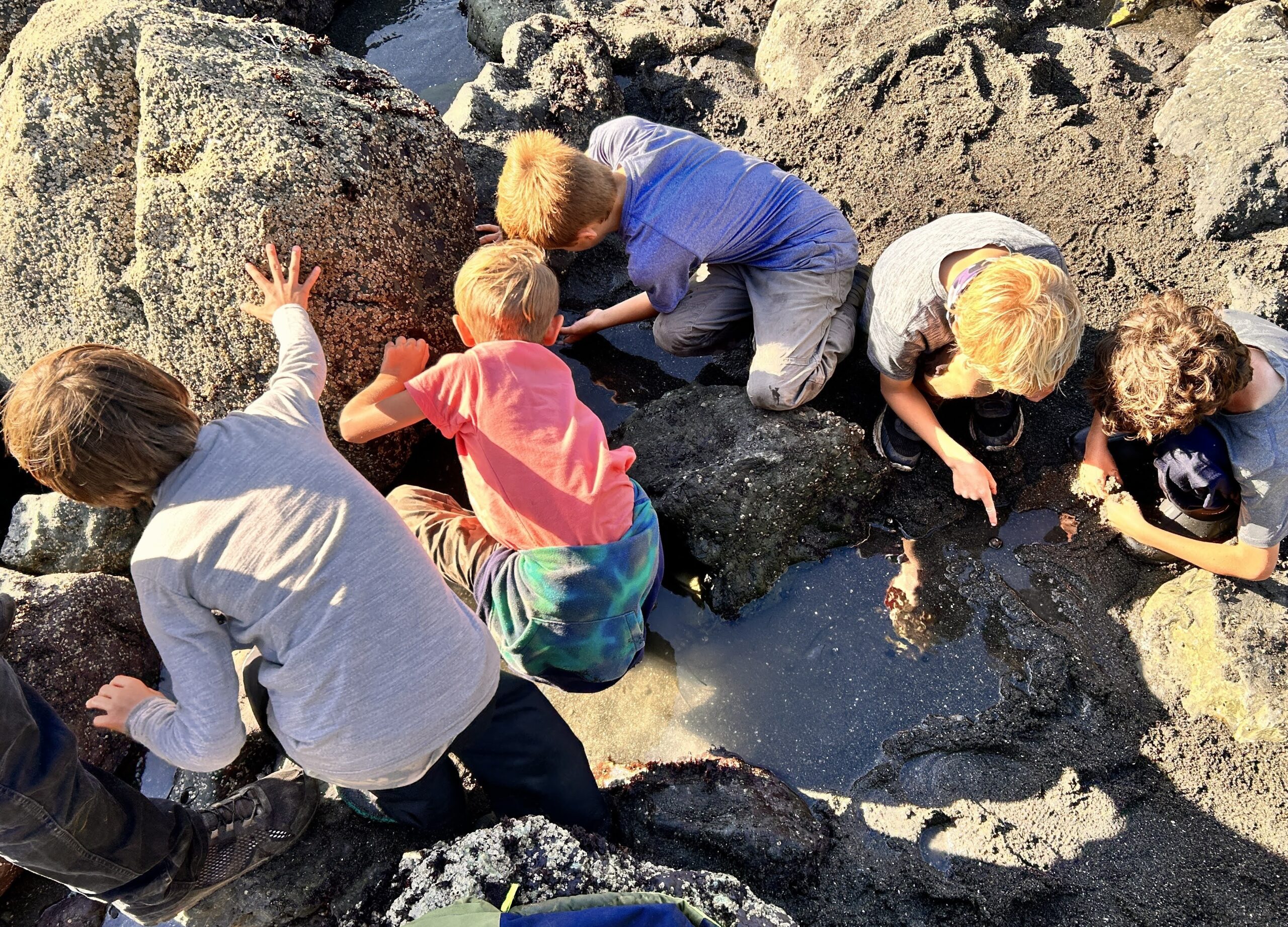
Nature remains central in both programs. Preschool includes outdoor nature play and regular exploratory hikes beyond the play yard. Kindergarten continues that strong outdoor life through hiking, gardening, tree climbing, and weekly Nature Day on Live Oak’s forty-acre campus.
What Becomes Broader in Kindergarten
Kindergarten introduces a more complex social environment and a multi-age classroom designed to cultivate confidence, leadership, and readiness for the grades. Younger children can be inspired by older classmates, while older children build confidence by encouraging and supporting younger peers.
Artistic and practical work also broadens. In Kindergarten, children engage in drawing, watercolor painting, baking, handwork, seasonal crafts, woodworking, and beeswax modeling. These experiences build on the imaginative and creative foundations already established in Preschool.
Readiness Grows in Many Areas
Families often notice that moving from Preschool to Kindergarten is not just about academics. It can also include:
- participating in rhythm and routine
- growing confidence in group settings
- listening and following directions
- building independence in daily life
- responding to stories, imaginative play, movement, and hands-on activity
- growing social awareness alongside other children
Why the Two-Year Kindergarten Matters
Live Oak’s Kindergarten is intentionally a two-year program. That structure gives children time to build confidence, leadership, and readiness for the grades within a multi-age classroom. It allows the experience to deepen rather than rush, while preserving the rhythm, imagination, and hands-on learning that remain central during these years.
How Live Oak Determines the Best Next Step
Live Oak’s admissions process states that teachers review a child’s age and previous schooling and place children in the class level that will best meet their socio-emotional and academic needs. For families wondering whether Kindergarten is the right next step after Preschool, the best way to understand fit is to begin with an inquiry and a campus tour.
What Families May Notice at Home
Many families begin to notice growing independence, stronger comfort with daily rhythm, more interest in story and imaginative play, and increased confidence in social settings. Those are often helpful signs to observe as you consider the move from Preschool to Kindergarten.
How Families Can Support This at Home
Helpful supports often include steady daily rhythm, time for imaginative play, outdoor play and movement, small opportunities for independence, and simple conversations about what school feels like. Families do not need to have everything figured out before taking the next step; the goal is to keep learning about what fits best for your child.
Questions Families Often Ask
- Is my child ready for a more complex social environment?
- Would my child benefit from a multi-age classroom?
- Does my child respond well to rhythm, story, movement, and imaginative play?
- Can I picture my child growing through both artistic work and outdoor exploration in Kindergarten?
Why Visiting Matters
The best way to understand fit is to visit, observe, and talk with Admissions. Seeing the classroom, the daily rhythm, and the campus helps families picture how growth from Preschool to Kindergarten is a lived experience, not just a description on a page.
Visit & Tours Info Sessions Start Your Inquiry
Related Pages
- Preschool
- Kindergarten
- Waldorf Kindergarten Readiness
- Understanding Waldorf Early Childhood Education
- Admission & Enrollment Process
- Tuition & Fees
FAQ
What changes from Preschool to Kindergarten?
Kindergarten builds on the same early childhood foundations of rhythm, imaginative play, artistic activity, and outdoor time, while adding a multi-age classroom, broader artistic and practical work, and a more complex social environment.
What stays the same?
Both programs honor early childhood through warm teacher relationships, storytelling, creative work, and meaningful time outdoors.
Why is Kindergarten a two-year program?
The two-year structure gives children time to build confidence, leadership, and readiness for the grades within a multi-age classroom.
How do we know what class level is best for our child?
Live Oak reviews each child’s age and previous schooling and places children in the class level that will best meet their socio-emotional and academic needs.
Quick Links
Booking a visit? Start here.
Ready to apply? Submit an inquiry.